Fundoplication and Modified BICORN Procedure – Comparison
Aspect
Fundoplication (wrap procedure)
Modified BICORN procedure
Principle
The upper part of the stomach is wrapped partially or completely around the esophagus
Anatomical reconstruction of the natural junction without a wrap
Mechanism against reflux
Artificially increased pressure zone
Reconstruction and stabilization of the physiological valve mechanism (angle of His)
Mobility of the junction
Circumferentially fixed, cannot adapt, only stretch
Remains mobile and functionally flexible
Belching
Often impaired or not possible
Usually preserved
Vomiting
Often difficult or not possible
Usually preserved
Postprandial sensation
Often fullness or pressure
Usually normal satiety without significant pressure
Anatomy
Alteration of natural anatomy
Tension-free reconstruction of normal anatomy
Goal
Mechanical reflux control via a wrap
Stable reconstruction of the natural barrier with preservation of function
Physiological Belching and Vomiting
These are not abnormal or pathological processes, but important physiological mechanisms that protect the body and relieve pressure within the stomach.
Belching
Whenever we eat, drink, or speak, we inevitably swallow small amounts of air. This air collects primarily in the upper part of the stomach, known as the fundus. Without the ability to belch, pressure within the stomach would continuously increase.
Belching serves as a natural mechanism to relieve this pressure and decompress the stomach. For air to escape, the junction between the esophagus and the stomach, known as the gastroesophageal junction (cardia), must briefly relax and open. This temporary reflex relaxation allows swallowed air to pass back through the esophagus and out of the body.
Unlike vomiting, belching normally does not involve a forceful contraction of the stomach, diaphragm, or abdominal muscles. The key event is the temporary opening of the gastroesophageal junction.
The ability to belch plays an important role in preventing abdominal pressure, fullness, and excessive gas accumulation within the stomach. When this ability is impaired, patients may develop significant bloating, abdominal discomfort, painful fullness, and excessive intestinal gas (the so-called gas-bloat syndrome).
Vomiting
Vomiting is likewise an important physiological protective mechanism. Its purpose is to rapidly remove potentially harmful or intolerable stomach contents from the body.
During vomiting, the stomach, diaphragm, and abdominal muscles contract forcefully. At the same time, the gastroesophageal junction (cardia) relaxes, allowing stomach contents to travel upward through the esophagus and out of the body in the opposite direction of normal digestion.
The ability to vomit is of considerable importance. If potentially harmful or intolerable stomach contents cannot be expelled, they continue through the intestinal tract and may cause symptoms such as abdominal cramps, nausea, and diarrhea.
Comparison of the Anatomical and Functional Relationships
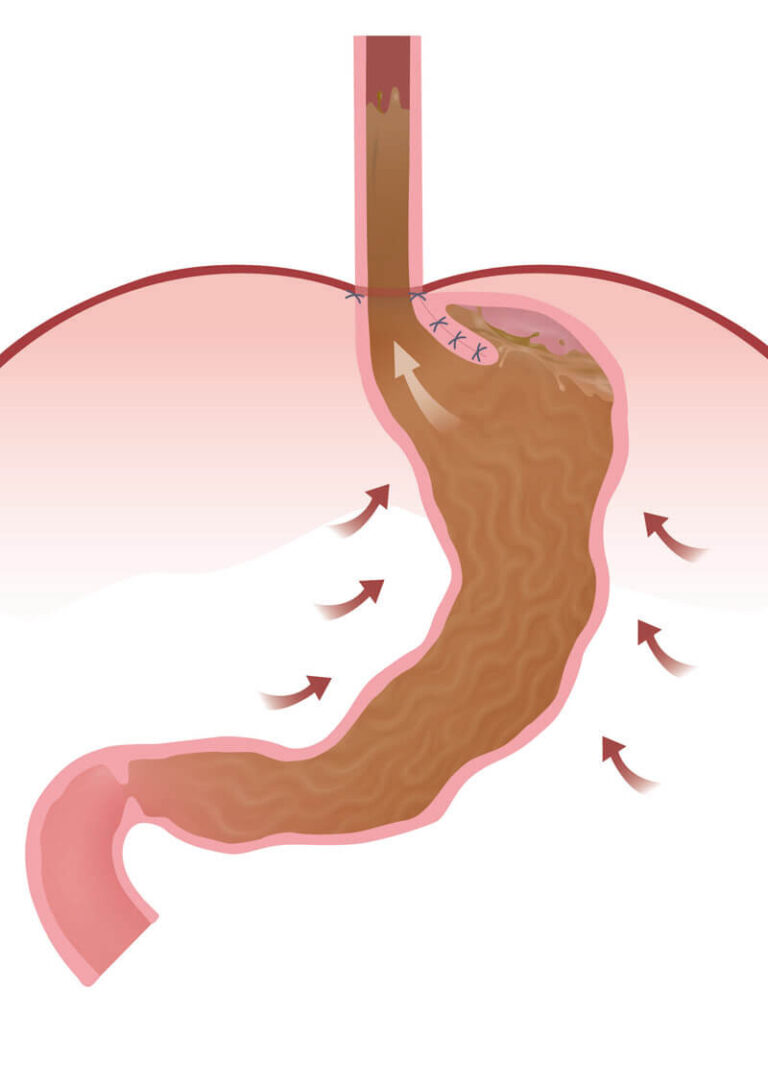
The following illustrations compare the gastroesophageal junction under normal conditions, after fundoplication, and after the modified BICORN procedure. Each series demonstrates the anatomical resting configuration as well as the functional changes that occur during belching and vomiting.
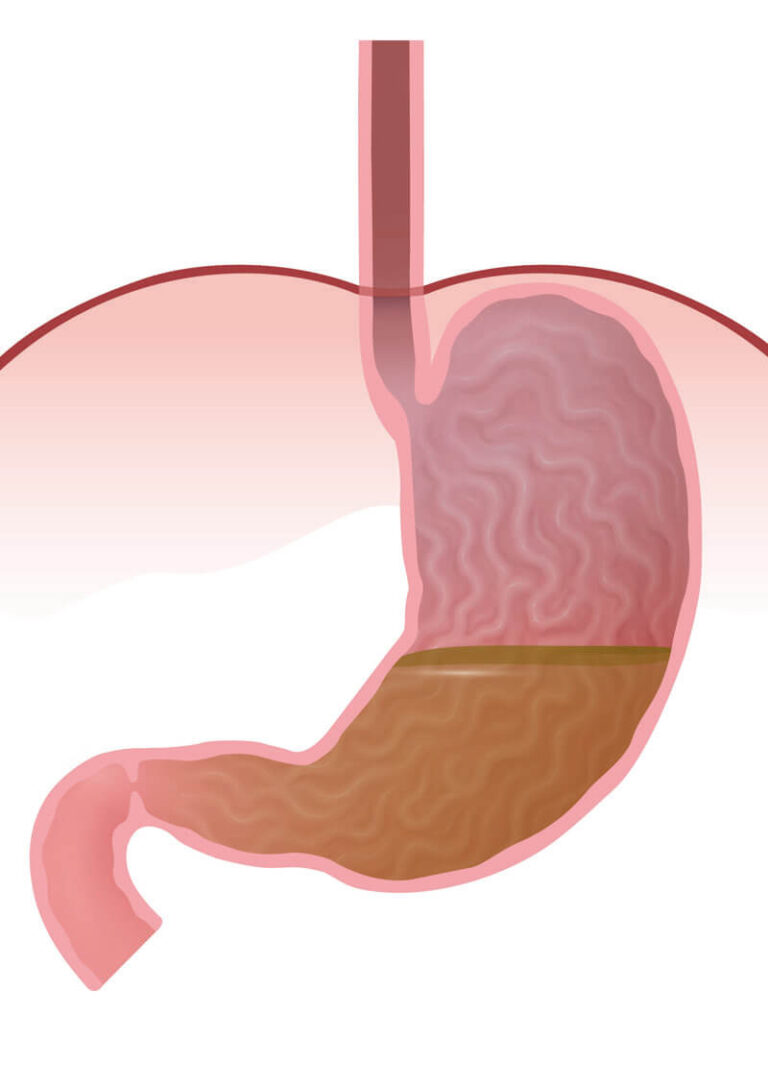
Normal Anatomy:
Under normal conditions, the gastroesophageal junction acts as the body's natural barrier against acid reflux. This barrier depends on the coordinated interaction of several anatomical structures, including the muscles of the esophagus and stomach, the naturally acute angle of His, the connective tissue attachments between the esophagus and the diaphragm, and a normally sized opening in the diaphragm (esophageal hiatus).
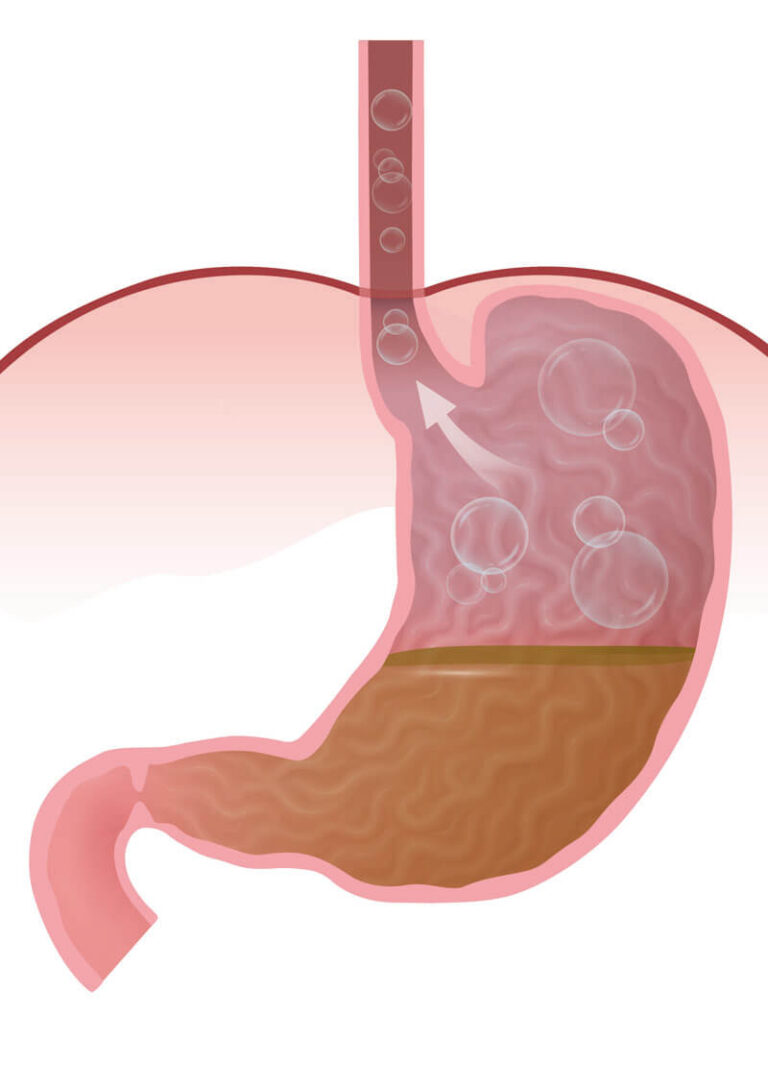
Belching:
During belching, the cardia briefly relaxes, allowing air to escape from the upper part of the stomach without significant gastric contractions. Immediately afterward, the gastroesophageal junction returns to its normal resting function.
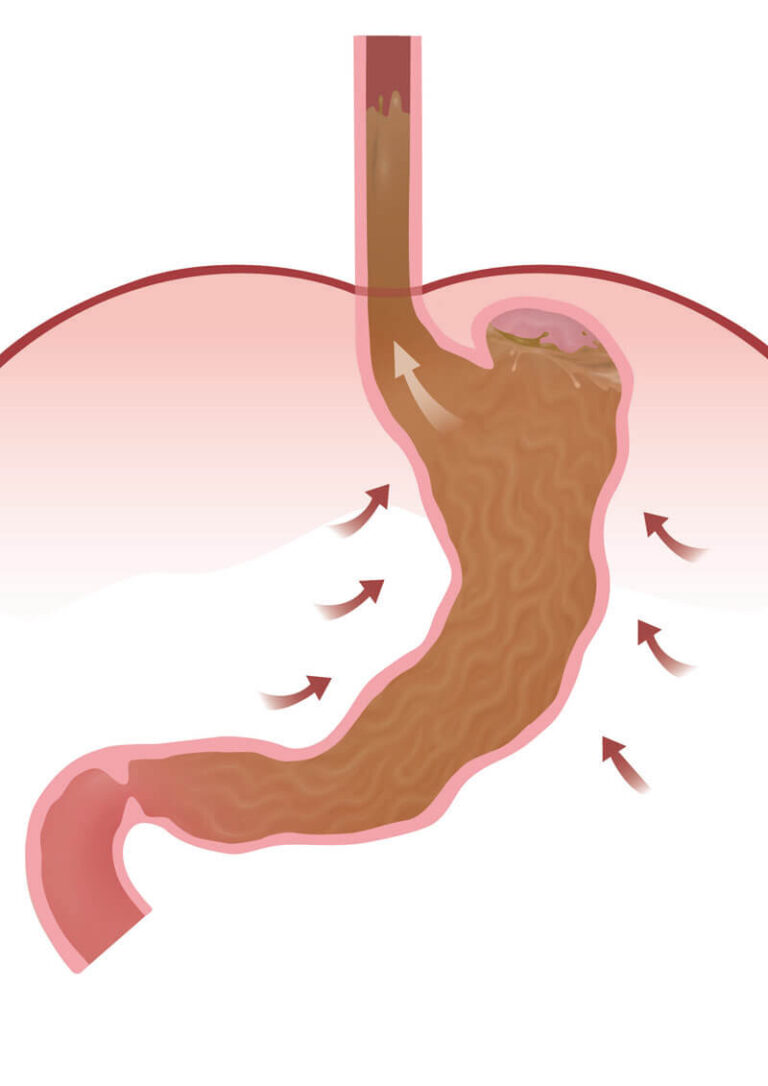
Vomiting:
During vomiting, the stomach contracts forcefully, resulting in a marked increase in pressure within the stomach. At the same time, the cardia relaxes physiologically, allowing stomach contents to pass through the gastroesophageal junction. Simultaneously, the gastric fundus moves laterally, allowing vomiting to occur naturally without obstruction.
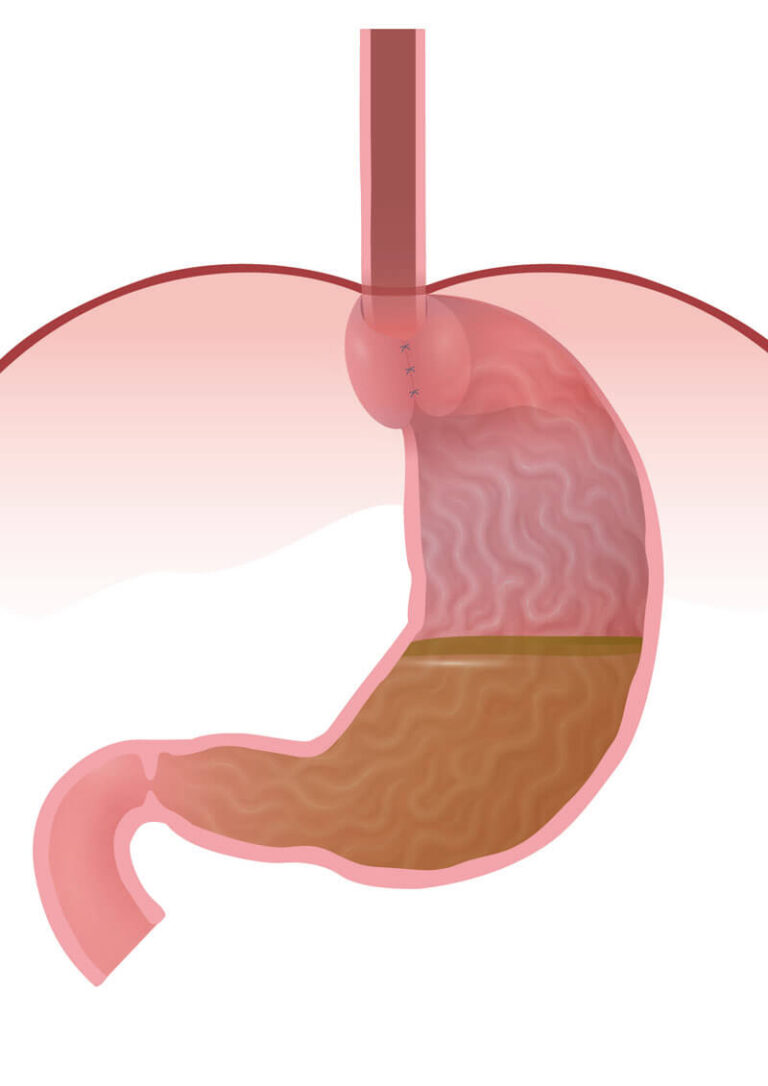
Fundoplication – Normal Anatomy:
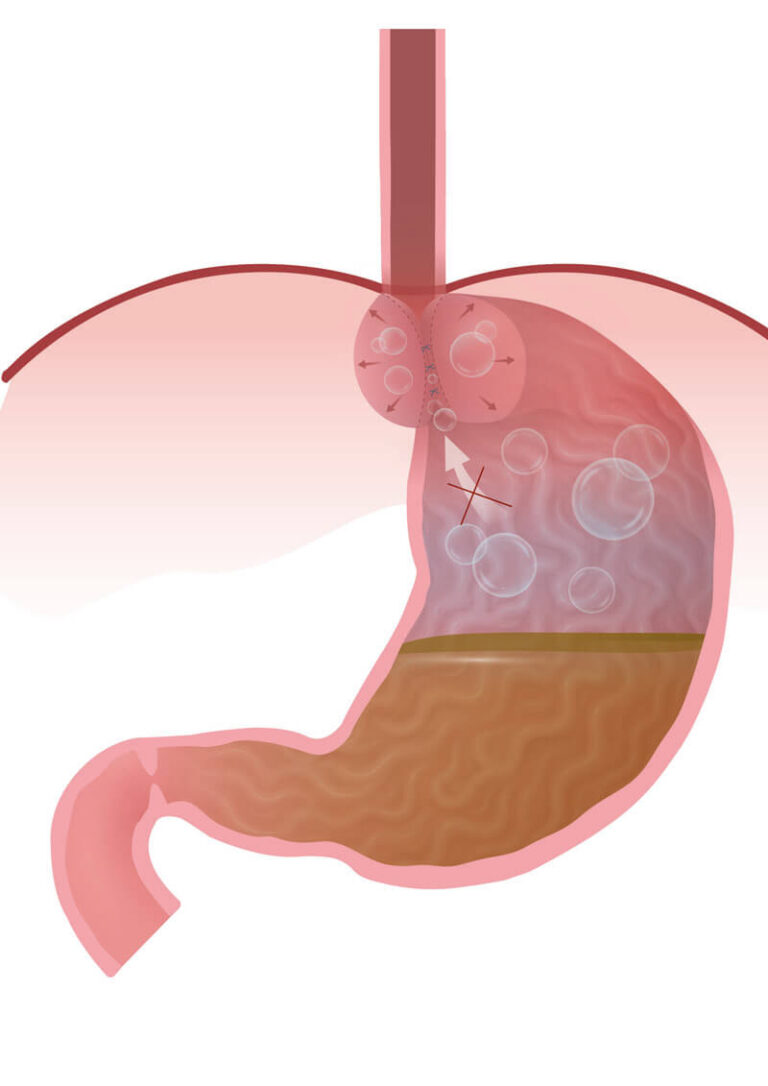
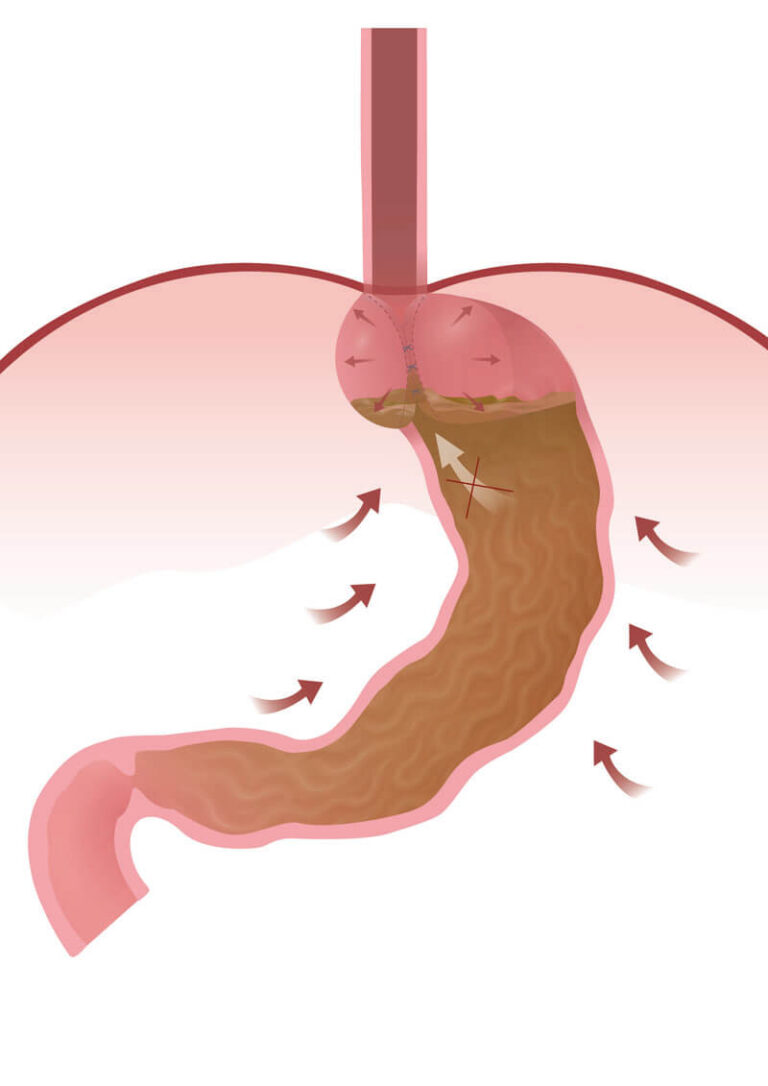
In fundoplication, the upper part of the stomach is wrapped around the lower end of the esophagus immediately above the cardia, creating a gastric wrap. As air accumulates in the upper part of the stomach, the wrap also expands, further reinforcing the mechanical closure of the gastroesophageal junction.
Belching after Fundoplication:
During belching, the cardia relaxes physiologically. However, the fundoplication wrap located immediately above the cardia cannot open or yield accordingly. As a result, the normal release of air is often significantly impaired and, in some patients, may no longer be possible.
Vomiting after Fundoplication:
During vomiting, the cardia continues to relax physiologically. However, the marked increase in pressure within the stomach further distends the fundoplication wrap, strengthening its valve effect. As a result, vomiting is often severely impaired or may even become impossible.
Modified BICORN Procedure – Normal Anatomy:
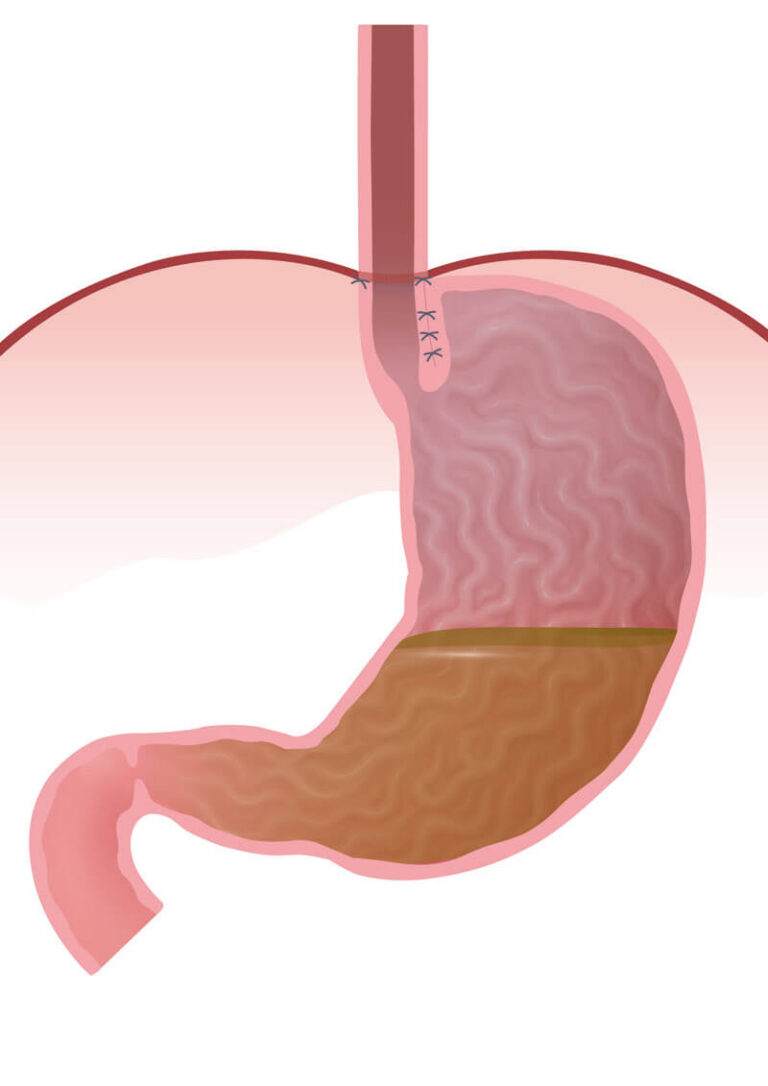
Unlike fundoplication, the modified BICORN procedure restores the natural anatomy and function of the gastroesophageal junction without creating a gastric wrap. Instead, the angle of His is deliberately accentuated to strengthen the body's natural antireflux barrier. Under resting conditions, air within the upper part of the stomach gently displaces the gastric fundus toward the gastroesophageal junction, thereby providing additional support to the natural antireflux mechanism.
Belching after the Modified BICORN Procedure:
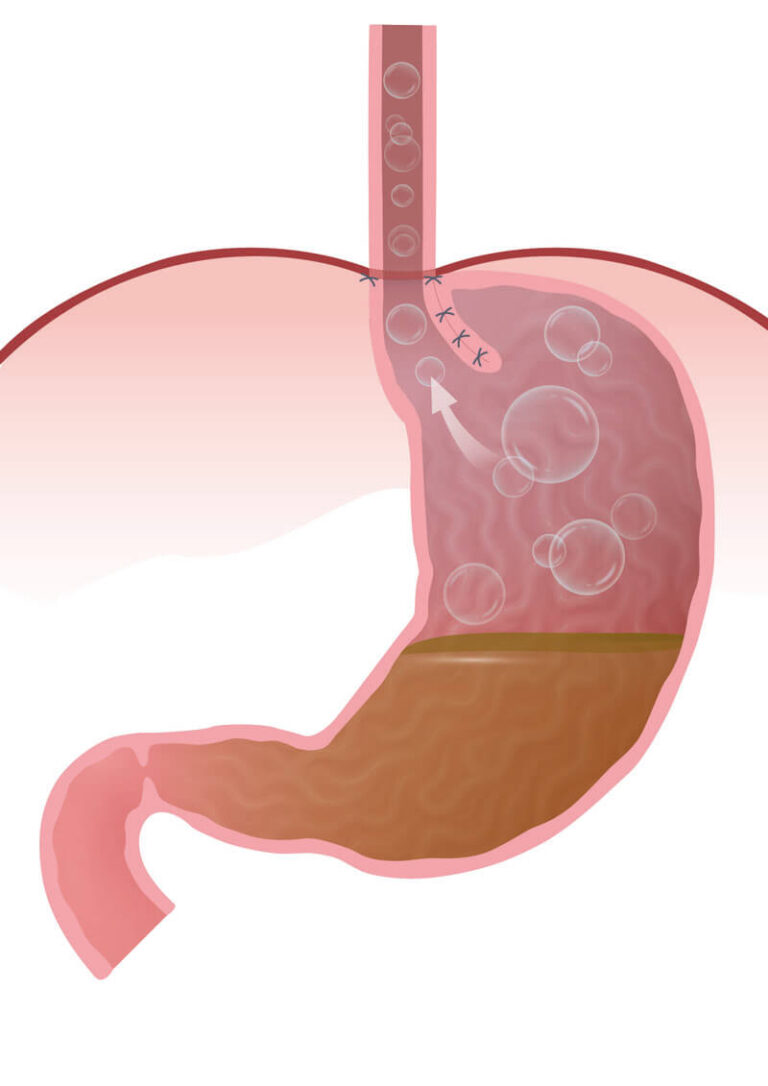
During belching, the cardia relaxes physiologically. Because no gastric wrap is present, the gastric fundus moves laterally, allowing air to pass freely through the gastroesophageal junction in virtually all cases.
Vomiting after the Modified BICORN Procedure:
During vomiting, the stomach contracts physiologically while the cardia relaxes. Because no gastric wrap is present, the gastric fundus moves laterally during vomiting. This allows the gastroesophageal junction to open physiologically, preserving the body's natural ability to vomit.